Hardware
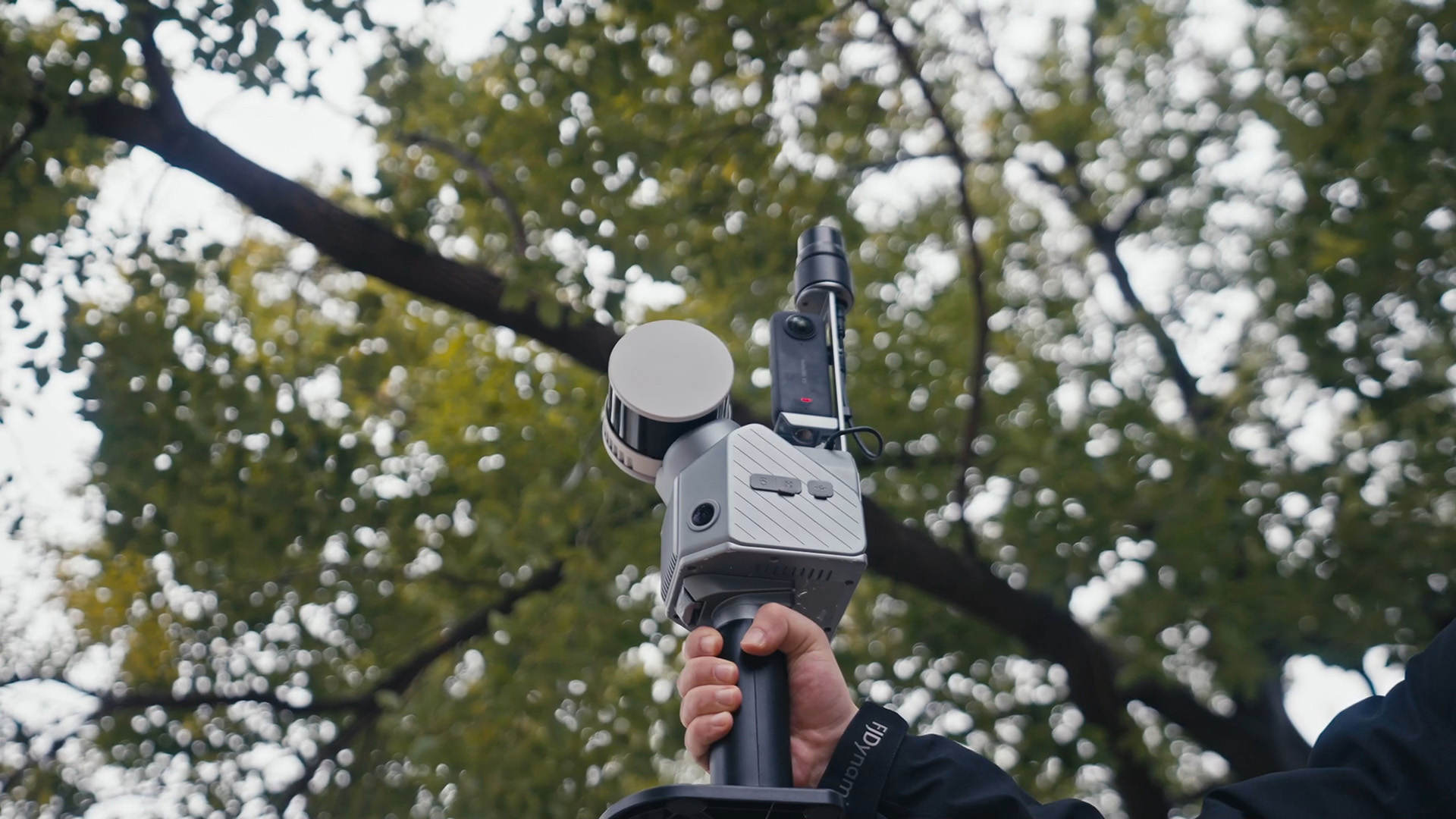
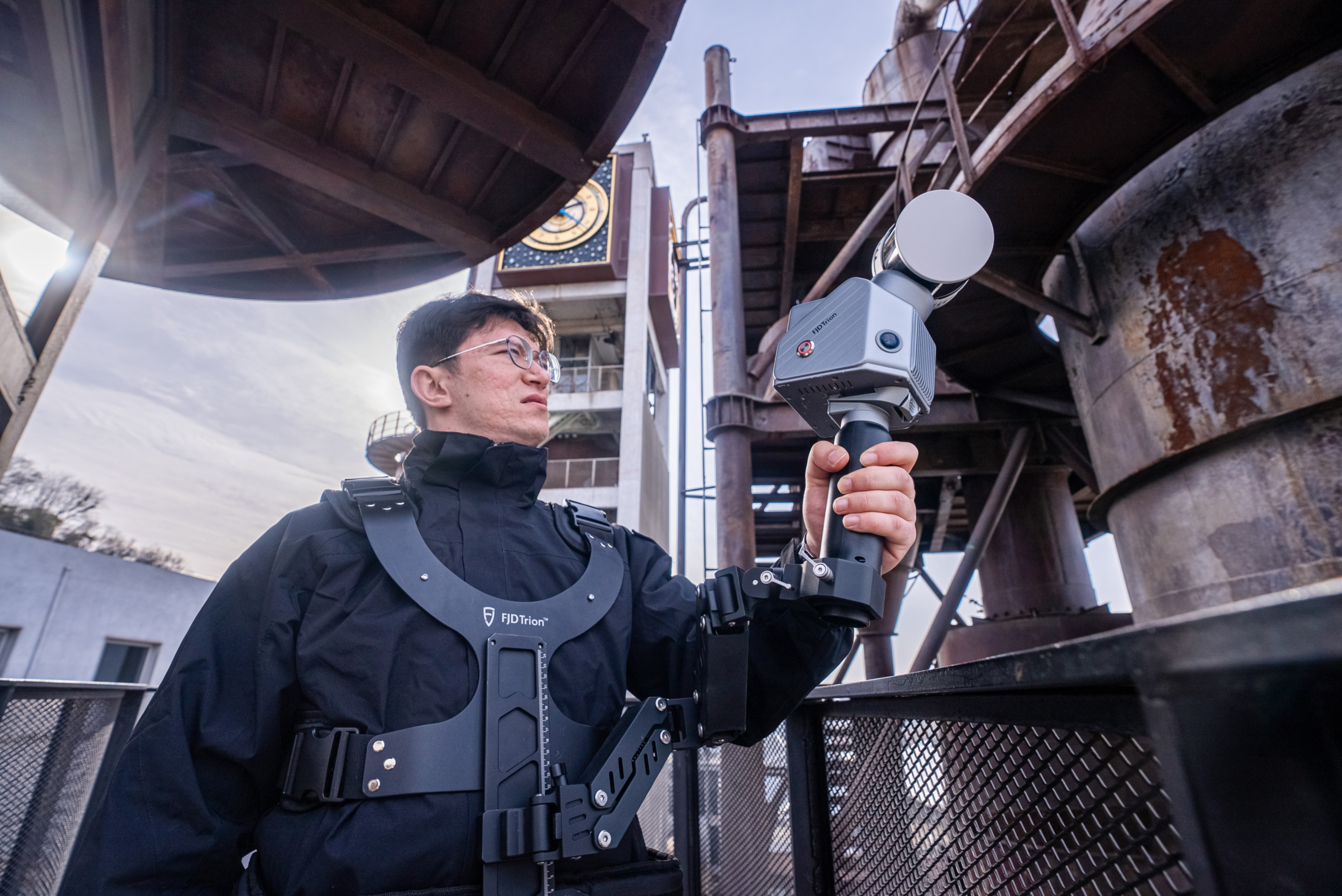
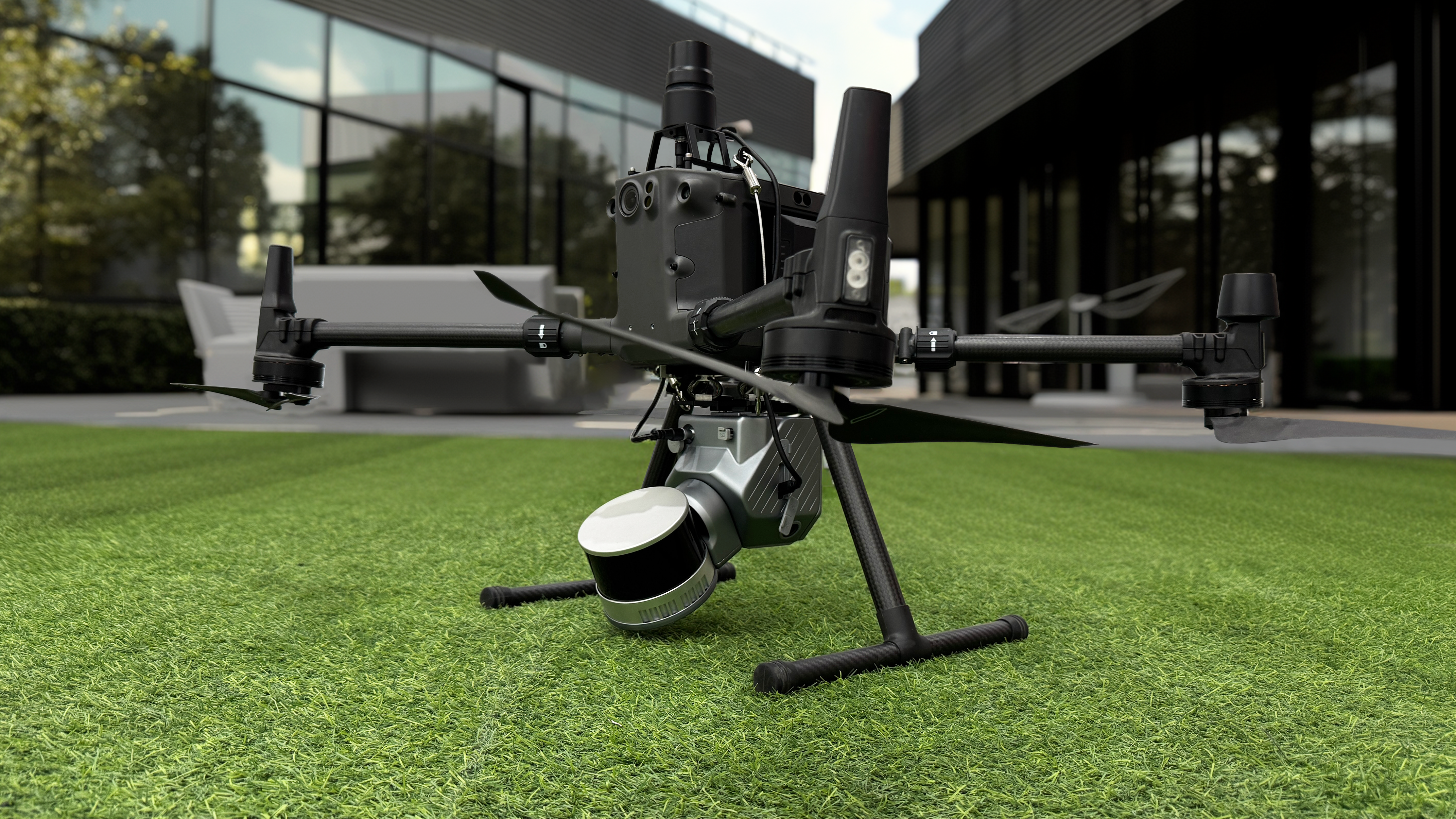
A single modular scanner that adapts to every environment — handheld, drone-mounted, robot-deployed, or on a stabilised backpack.
Overview
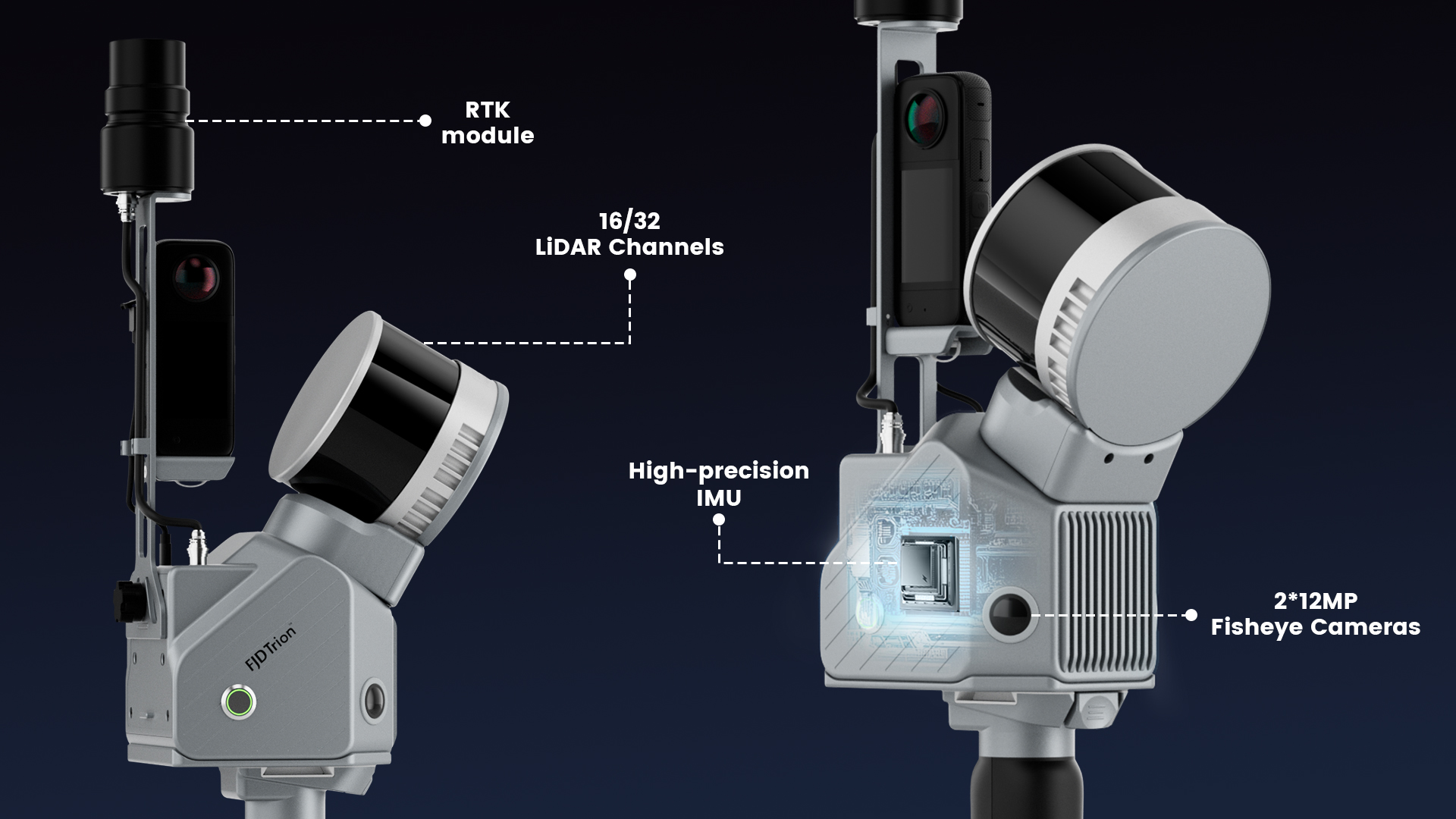
The FJD Trion combines a 16 or 32-channel LiDAR sensor with dual 12MP fisheye cameras and a high-precision IMU into a compact, field-hardened unit. An optional RTK module adds GNSS-based absolute georeferencing when needed.
Whether you're walking a construction site, flying a drone over open terrain, or inspecting an underground tunnel on a robot, the same scanner, the same software, and the same data pipeline.
| LiDAR Channels | 16 / 32 (configurable) |
| Cameras | 2 × 12MP Fisheye |
| IMU | High-Precision (MEMS) |
| GNSS / RTK | Optional add-on module |
| SLAM Modes | LiDAR SLAM + Visual-Inertial Odometry |
| PPK | Supported |
| Range | Up to 100 m |
| Relative Accuracy | ±2 cm (typical) |
| Point Cloud Output | Colourised LAS / PLY / E57 |
Key Technologies
01 — Hardware
The Trion's modular architecture lets you configure the scanner for each project. Attach the RTK module for outdoor geo-referencing, remove it for GPS-denied indoor environments to save weight.
02 — Algorithms
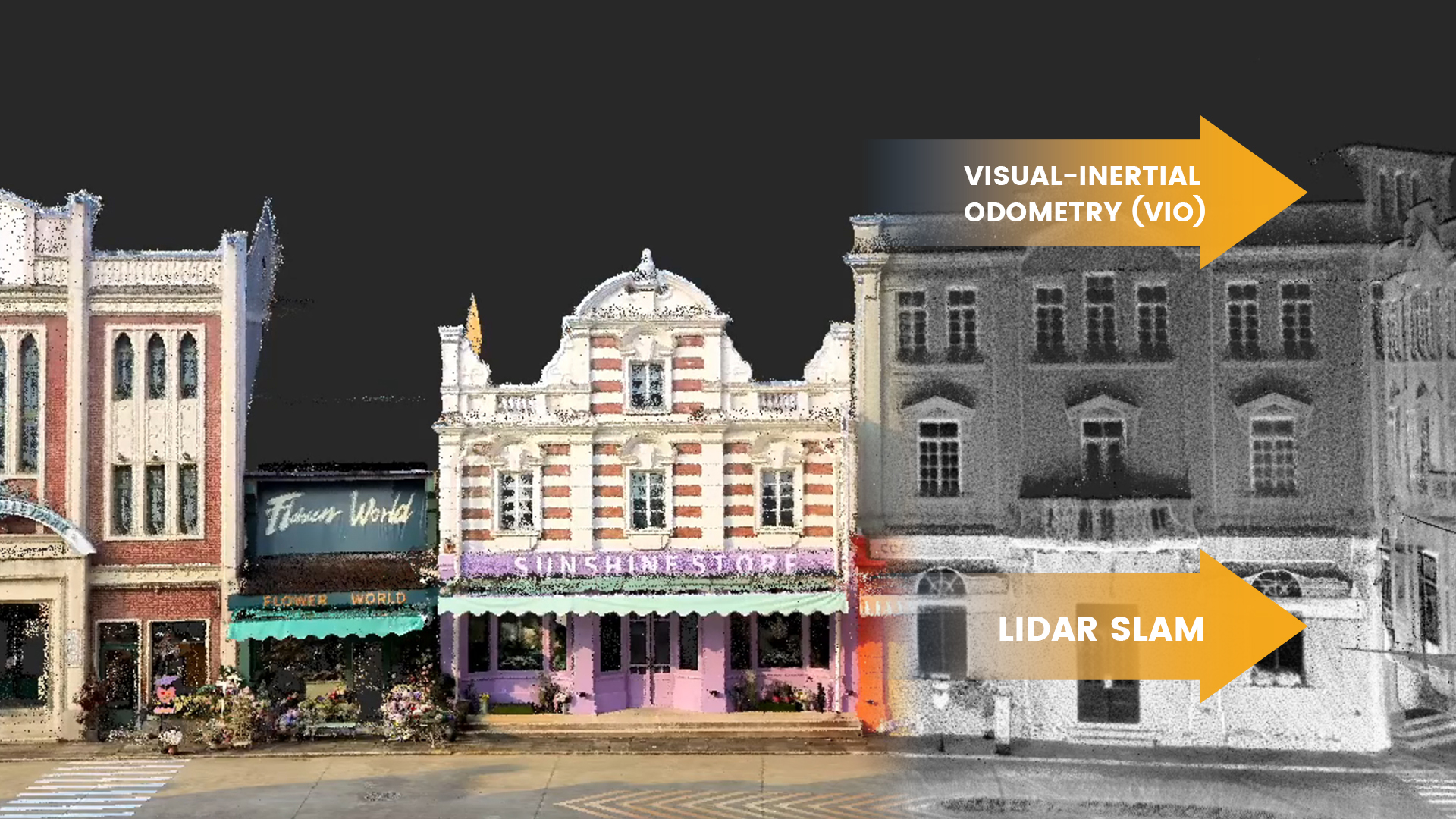
Two SLAM algorithms run in parallel: LiDAR SLAM for feature-rich environments and Visual-Inertial Odometry for featureless or GNSS-denied spaces. The system automatically fuses both to maintain trajectory accuracy through every condition.
03 — Georeferencing
Post-Processing Kinematic correction enables survey-grade absolute accuracy without requiring a live RTK correction stream during capture. Return to the office, apply base-station data, and achieve centimetre-level georeferencing.
Deployment
Every carrier uses the same mounting interface. Switch platforms in the field in under a minute.
All-in-One Workflow
The FJD ecosystem covers every stage — from field capture through to client-ready deliverables, all within one software platform.
Pricing, availability, demo units, and trade-in options — get in touch and we'll respond within one business day.